DIY Gardening
by Admin
Posted on 08-06-2025 11:36 AM

Benefits of DIY Gardening
DIY gardening has numerous benefits, including the ability to grow one's own food, save money, and get exercise. Growing one's own food allows individuals to have control over the ingredients and nutrients that go into their meals, which can be especially beneficial for those with dietary restrictions or preferences. Additionally, DIY gardening can be a cost-effective way to obtain fresh produce, as it eliminates the need to purchase expensive fruits and vegetables from the store. Furthermore, gardening can be a great way to get exercise and spend time outdoors, which can be beneficial for both physical and mental health.
Getting Started with DIY Gardening
Getting started with DIY gardening can seem overwhelming, but it doesn't have to be. The first step is to choose a location for the garden. This should be a spot that gets plenty of sunlight and has good drainage. Next, individuals should prepare the soil by adding compost or fertilizer to create a nutrient-rich environment for plants to grow. It's also important to choose the right plants for the garden, taking into account factors such as climate, soil type, and personal preference.
Choosing the Right Plants
Choosing the right plants is a crucial step in creating a successful DIY garden. Individuals should consider factors such as climate, soil type, and personal preference when selecting plants. For example, those living in areas with hot summers may want to choose plants that are drought-tolerant, while those living in areas with cool winters may want to choose plants that are frost-resistant. Additionally, individuals should consider the amount of space they have available and choose plants that are suitable for the size of their garden.
Preparing the Soil
Preparing the soil is another important step in creating a successful DIY garden. This involves adding compost or fertilizer to create a nutrient-rich environment for plants to grow. Individuals can create their own compost by collecting food scraps and yard waste and allowing them to break down in a compost bin. Alternatively, they can purchase fertilizer from a gardening store. It's also important to test the pH level of the soil and adjust it if necessary, as some plants require a specific pH level to grow.
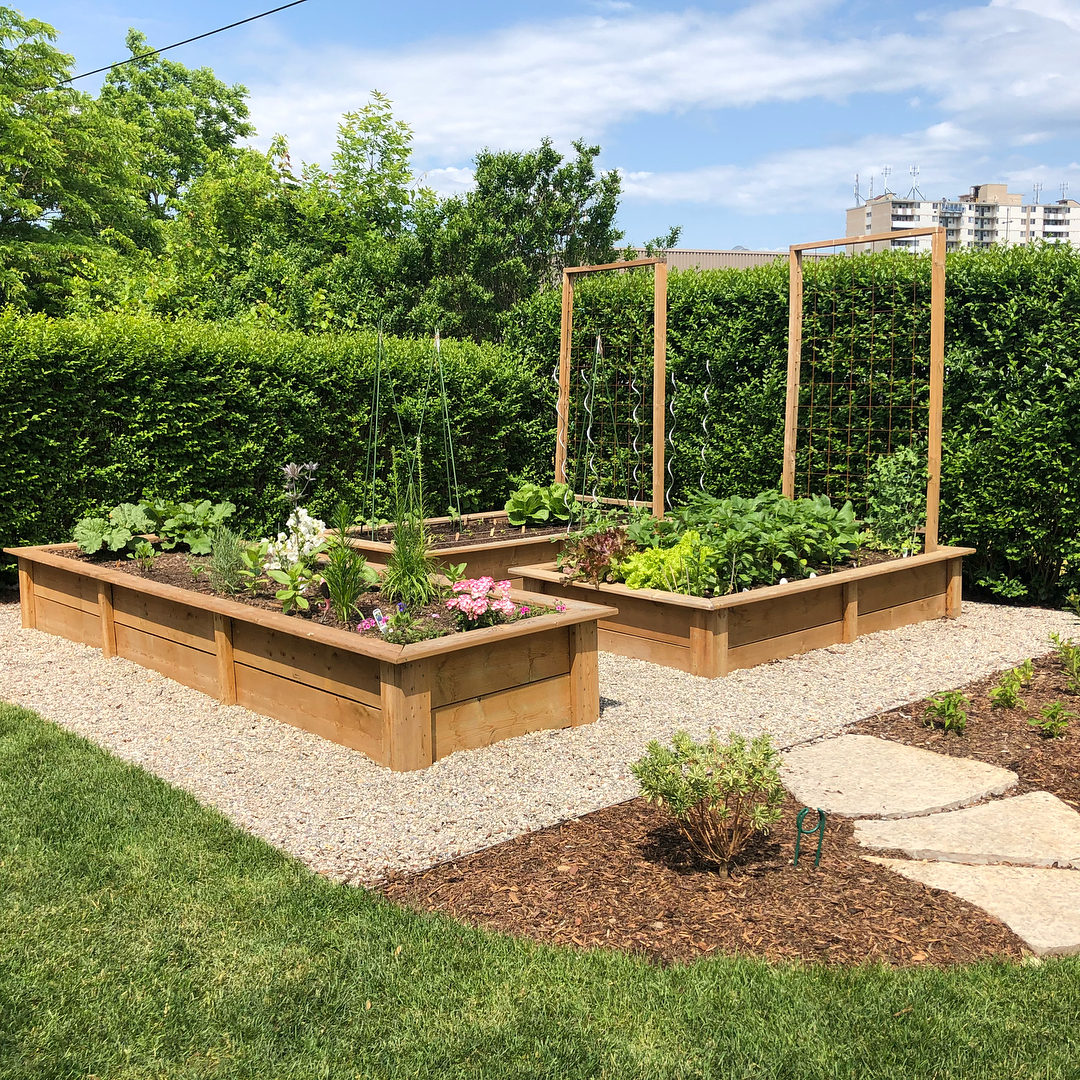
DIY Gardening Tips and Tricks
There are many tips and tricks that can help individuals create a successful DIY garden. One of the most important is to start small and gradually expand the garden as needed. This will help prevent overwhelm and ensure that the garden is manageable. Another tip is to use recycled materials whenever possible, such as old containers or cardboard boxes, to create a unique and eco-friendly garden. Additionally, individuals should make sure to water their plants regularly, but avoid overwatering, which can be detrimental to plant health.
Using Recycled Materials
Using recycled materials is a great way to create a unique and eco-friendly DIY garden. Old containers, cardboard boxes, and even plastic bottles can be used to create planters and other garden features. This not only reduces waste, but also adds a personal touch to the garden. Individuals can get creative and come up with their own unique ideas for using recycled materials in their garden.
Common DIY Gardening Mistakes
There are several common mistakes that individuals can make when creating a DIY garden. One of the most common is overwatering, which can be detrimental to plant health. Another mistake is not providing enough sunlight, which can prevent plants from growing and thriving. Individuals should also be careful not to overcrowd the garden, as this can lead to disease and pest problems.
It seems like you didn't provide the anchor text and URL. Please provide them so I can assist you with adding the anchor to the content. I'll make sure to add it naturally and keep the content structure intact.
DIY Gardening Tools and Equipment
There are many DIY gardening tools and equipment that individuals can use to make gardening easier and more efficient. One of the most essential tools is a shovel, which is used for digging and planting. Other important tools include a rake, hoe, and watering can. Individuals can also use a variety of equipment, such as a garden cart or wheelbarrow, to transport plants and materials around the garden.
DIY Gardening for Small Spaces
DIY gardening is not just limited to large spaces. Individuals with small spaces, such as balconies or patios, can also create a thriving garden using containers and other space-saving techniques. One popular method is to use vertical gardening, which involves growing plants up a wall or trellis. Another method is to use hanging baskets, which can be suspended from a hook or railing.
Conclusion
DIY gardening is a fun and rewarding hobby that can be enjoyed by people of all ages. With a little bit of planning and creativity, anyone can create a beautiful and thriving garden. By following the tips and tricks outlined in this article, individuals can get started with DIY gardening and enjoy the many benefits it has to offer.
FAQs
What is the best way to get started with DIY gardening?
The best way to get started with DIY gardening is to choose a location, prepare the soil, and choose the right plants for the garden.
How often should I water my plants?
The frequency of watering will depend on the type of plants and the climate. As a general rule, plants should be watered when the soil feels dry to the touch.
What are some common mistakes to avoid in DIY gardening?
Common mistakes to avoid in DIY gardening include overwatering, not providing enough sunlight, and overcrowding the garden.
How can I make my DIY garden more eco-friendly?
To make a DIY garden more eco-friendly, individuals can use recycled materials, such as old containers or cardboard boxes, and choose plants that are native to the area.
What are some popular DIY gardening projects?
Popular DIY gardening projects include creating a raised bed, building a trellis or arbor, and creating a garden pond or fountain.
How can I make the most of a small space in DIY gardening?
To make the most of a small space in DIY gardening, individuals can use vertical gardening, hanging baskets, and other space-saving techniques.