Eco Friendly Gardening
by Admin
Posted on 08-06-2025 11:36 AM

Benefits of Eco Friendly Gardening
Eco-friendly gardening has numerous benefits for the environment, wildlife, and human health. One of the main advantages is that it reduces the use of chemical pesticides and fertilizers, which can pollute soil, air, and water. Eco-friendly gardening also promotes biodiversity, as it creates a habitat for a wide range of plants and animals. Additionally, eco-friendly gardening can help to reduce greenhouse gas emissions, as it often involves using locally sourced and sustainable materials.
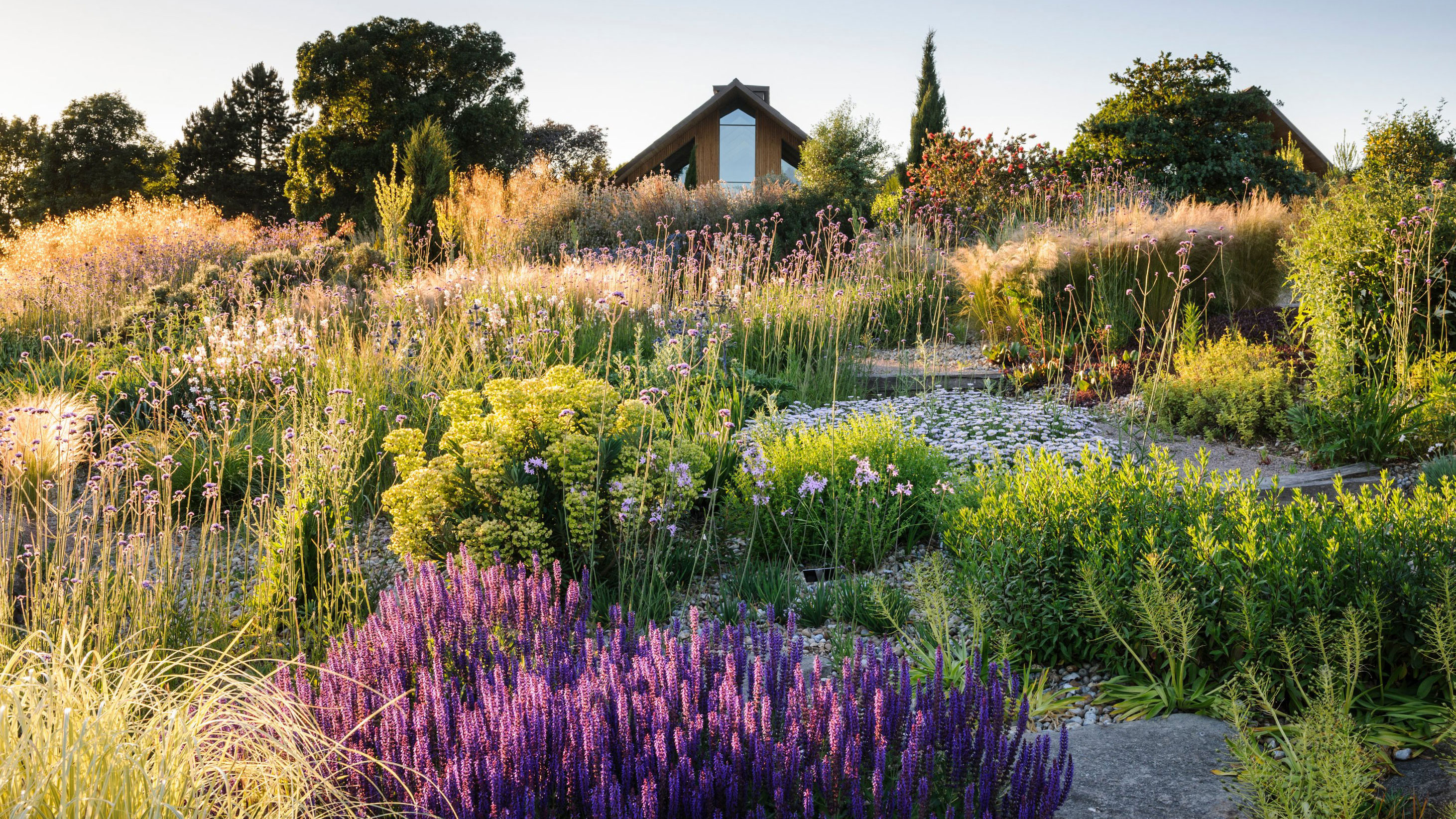
Getting Started with Eco Friendly Gardening
Getting started with eco-friendly gardening is easier than you might think. One of the first steps is to assess your garden and identify areas where you can make changes. This might involve replacing chemical-based products with natural alternatives, such as using compost instead of synthetic fertilizers. You can also start by making small changes, such as planting a few eco-friendly plants or creating a compost bin.
Choosing Eco Friendly Plants
Choosing the right plants is a crucial part of eco-friendly gardening. Look for plants that are native to your area, as they will be more adapted to the local climate and soil conditions. You can also choose plants that are drought-tolerant, as they will require less water and maintenance. Some examples of eco-friendly plants include succulents, wildflowers, and herbs.
Creating a Compost Bin
Creating a compost bin is a great way to reduce waste and create a natural fertilizer for your garden. To create a compost bin, you will need to collect a mix of "green" materials, such as food scraps and grass clippings, and "brown" materials, such as leaves and twigs. You can then add these materials to a bin or pile, and let them break down over time. The resulting compost can be used to fertilize your plants and improve soil health.
Eco Friendly Gardening Methods
There are many eco-friendly gardening methods that you can use to create a more sustainable garden. One of the most popular methods is permaculture, which involves designing a garden that works with nature, rather than against it. Permaculture involves using a variety of techniques, such as companion planting and crop rotation, to create a diverse and thriving ecosystem.
Companion Planting
Companion planting is a technique that involves planting different plants together to improve their growth and health. For example, planting marigolds with tomatoes can help to deter nematodes, while planting basil with tomatoes can improve their flavor. Companion planting is a great way to reduce the use of chemical pesticides and fertilizers, as it promotes a balanced and diverse ecosystem.
Crop Rotation
Crop rotation is another eco-friendly gardening method that involves rotating different crops to improve soil health and reduce pests and diseases. For example, planting a crop of legumes, such as beans or peas, can help to fix nitrogen in the soil, while planting a crop of brassicas, such as broccoli or kale, can help to repel pests. Crop rotation is a great way to promote soil biodiversity and reduce the use of chemical fertilizers.
Eco Friendly Gardening Tools
Using eco-friendly gardening tools is an important part of creating a sustainable garden. Look for tools that are made from sustainable materials, such as bamboo or recycled plastic. You can also choose tools that are designed to reduce waste and promote efficiency, such as a rain barrel or a compost aerator. Additionally, incorporating trees into your garden design can not only enhance the aesthetic appeal but also provide a natural and eco-friendly way to boost your home's curb appeal, making your outdoor space more beautiful and sustainable.
Common Challenges in Eco Friendly Gardening
One of the common challenges in eco-friendly gardening is dealing with pests and diseases. While chemical pesticides and fertilizers may provide a quick fix, they can also harm the environment and human health. Instead, try using natural methods to control pests and diseases, such as introducing beneficial insects or using neem oil.
Conclusion
Eco-friendly gardening is a great way to reduce your impact on the environment and create a sustainable and thriving garden. By using natural and organic methods, choosing eco-friendly plants, and creating a compost bin, you can promote biodiversity, reduce waste, and improve soil health. Remember to also use eco-friendly gardening tools and methods, such as permaculture and companion planting, to create a balanced and diverse ecosystem.
FAQs
What are the benefits of eco-friendly gardening?
Eco-friendly gardening has numerous benefits, including reducing the use of chemical pesticides and fertilizers, promoting biodiversity, and reducing greenhouse gas emissions.
How do I get started with eco-friendly gardening?
Getting started with eco-friendly gardening is easy - simply assess your garden, choose eco-friendly plants, and create a compost bin.
What are some examples of eco-friendly plants?
Some examples of eco-friendly plants include succulents, wildflowers, and herbs.
How do I create a compost bin?
To create a compost bin, collect a mix of "green" and "brown" materials, such as food scraps and leaves, and let them break down over time.
What is permaculture?
Permaculture is a gardening method that involves designing a garden that works with nature, rather than against it, using techniques such as companion planting and crop rotation.
Can I use eco-friendly gardening methods in a small garden?
Yes, eco-friendly gardening methods can be used in gardens of all sizes, from small balconies to large backyards.